The hospital can stabilize you, but remember that they can’t cure the underlying sensitivity to cannabis products. Research published in the Journal of the American Medical Association notes that many people with CHS present to emergency departments repeatedly and may be misdiagnosed before CHS is recognized. A new study from George Washington University reveals the alarming disease burden, with most sufferers requiring emergency care. The research highlights a strong link between early cannabis use and higher hospital visits, suggesting an urgent need for awareness. While emergency treatments can provide short-term relief, the only true cure is stopping cannabis use.
- This aligns with the FDA-approved drug Epidiolex, which is purified CBD and has transformed care for these severe childhood epilepsies where other drugs often fail.
- Amitryptine helps to prevent vomiting cycles in CHS, usually at doses between 50 and 200 mg daily 96.
- I could then only eat a limited diet (white, bland food) and felt fatigued for days.
- As cannabis becomes legal in more places, it is essential to monitor CHS cases across the country, which can help with public health strategies and policy decisions.
- Complications can escalate quickly if they aren’t addressed with medical care.
Included in

In patients treated at home, recommendations are emphasized to consume fluids containing glucose and electrolytes between vomiting episodes to ensure adequate hydration. CHS patients generally do not experience significant weight loss, as periods of regular oral intake often compensate for the days of vomiting. The primary modes of psychosocial intervention in cannabis use disorder are CBT and motivational approaches, which include the importance of the individual or the social environment. More specifically, CBT and relapse prevention approaches primarily focus on the identification and management of thoughts, as well as external triggers, that lead to its use.
You might be dealing with cannabis use disorder, which makes stopping difficult even when you know it’s hurting your health. It’s a vicious cycle where you smoke to try to feel better, only to get sicker, reinforcing the dependence. The orthosteric ligands of the CB1R were considered to be potential pharmaceuticals in the treatment of disorders such as drug addiction, obesity, and pain 33. However, cannabinoid receptor activation results in adverse psychoactive effects (including depression and suicidal thoughts), which is concerning cannabinoid hyperemesis syndrome for them in clinical use 104. With more research, the complexity of allostery can be elucidated, which will be beneficial in the development of safe and efficacious drugs with no neuropsychiatric side effects. Parenteral narcotics are contraindicated for abdominal pain from CHS, as these drugs may exacerbate hyperemesis and lead to addictive behavior.
E. Gallbladder and Sphincter of Oddi Disorders
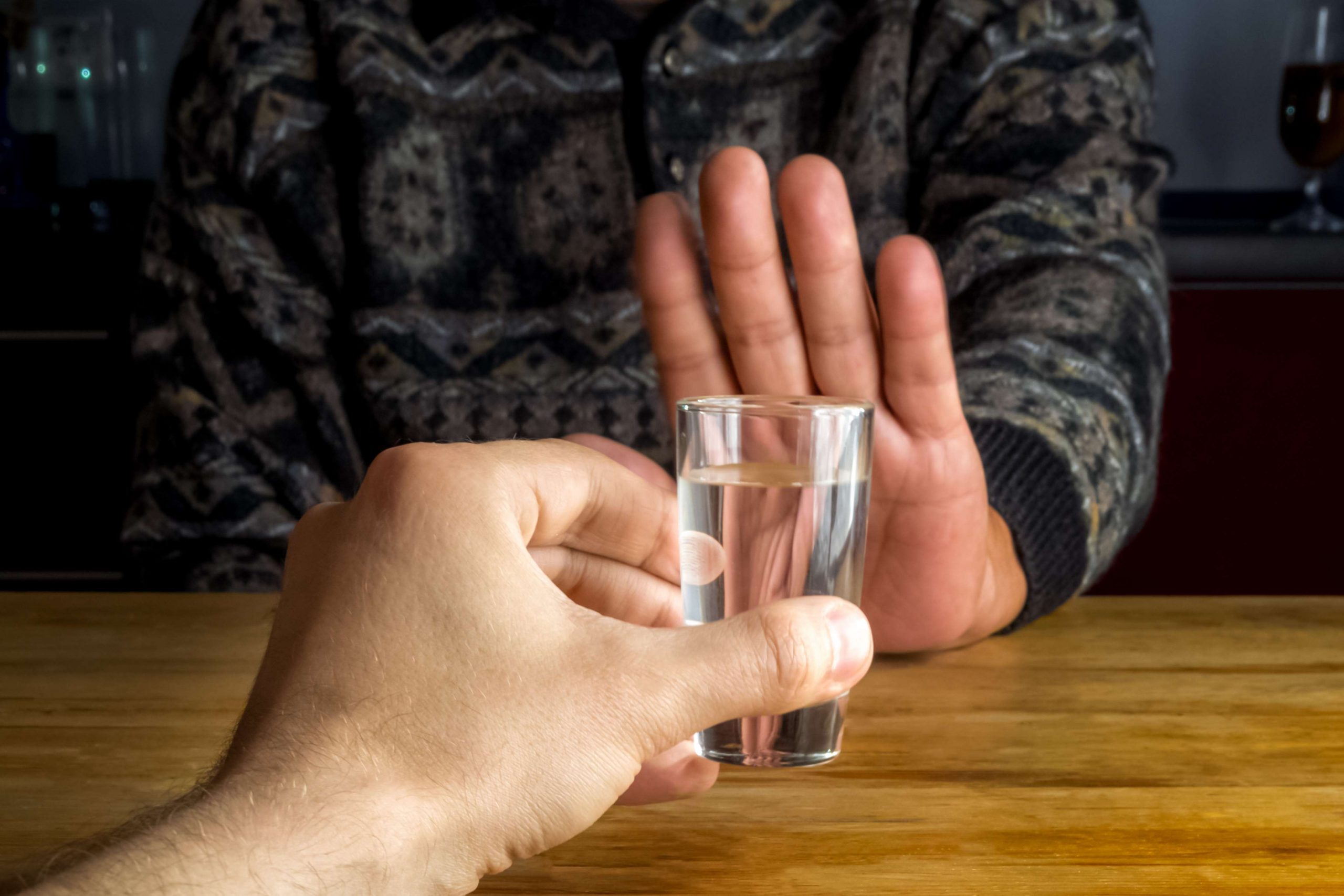
If you or a loved one is struggling to stop using cannabis despite severe health consequences like CHS, Mile High Recovery Center is here to help. Our compassionate team understands the complexity of cannabis dependency and can provide the medical and emotional support you need to reclaim your health. If the thought of stopping marijuana feels impossible, that’s a sign that you might need support with dependency. Sustained abstinence is the only definitive treatment for this condition, but quitting isn’t easy for long-term marijuana users. Professional treatment centers and outpatient programs can help you manage the withdrawal and the emotional difficulty of letting go. While nausea and stomach pain get the most attention, the strain on your body can produce other alarming warning signs.
H1b. Functional Nausea and Functional Vomiting
Don’t be afraid to take your medical records and your symptom log to a healthcare provider. Be honest about your consumption of regular marijuana, as withholding that information makes it impossible for them to diagnose CHS. They may order an abdominal ultrasound or a pregnancy test to rule out other causes.
Seek Professional Support
When I was 21, https://ecosoberhouse.com/ daily smoking caused me to have psychosis and after being hospitalized, I stopped using pot briefly. It took me six months after that to get back to smoking daily, and in a year I started experiencing symptoms of CHS. Six months after the first symptoms of nausea, I had been in and out of ERs for a few months and smoked an insane amount of pot daily thinking that it was helping me. However, CHS has some very specific characteristics that make it unique-particularly its relationship to cannabis use and the relief experienced from hot showers or baths.
This update added new trials and now includes 29 randomized controlled trials and 15 observational studies. It is clear that further research into cannabis hyperemesis syndrome is needed as the current understanding of the syndrome appears very limited. But this study demonstrates a positive step towards identifying a root cause for the syndrome.

Studies indicate that when patients trust their physicians, they are more likely to disclose sensitive health-related behaviors and adhere to medical recommendations 107. This trust also encourages patients to accept a CHS diagnosis, preventing them from seeking unnecessary medical consultations and receiving inappropriate treatments. The management of CHS largely relies on the severity of symptoms, the emergence of complications, and measures to prevent future recurrence. Evidence-based management of CHS is based on case series and small clinical trials 63.
Getting Support If Stopping Cannabis Is Hard
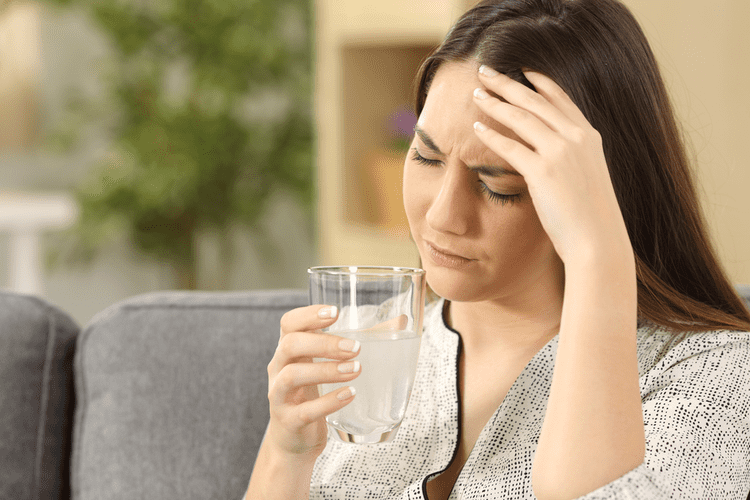
Cannabis hyperemesis syndrome is a condition marked by cycles of severe nausea, vomiting, and abdominal pain in long-term, frequent cannabis users. Symptoms can be temporarily relieved by hot showers, but cessation of cannabis use is the only cure. The condition is becoming more common, particularly among those who began use early or use cannabis daily. A new study examines the impact and risk factors of cannabinoid hyperemesis syndrome (CHS), a condition affecting long-term, frequent cannabis users. Researchers at George Washington University report that CHS causes recurring nausea, uncontrollable vomiting, and excruciating abdominal pain, often leading to repeated hospital visits.
H. Childhood Functional GI Disorders: Child/Adolescent

Paying attention to these subtle cues can help you catch the syndrome before it becomes dangerous. Treatment during an acute episode focuses on symptom relief and preventing severe dehydration. Doctors may administer IV fluids to restore electrolytes and use a topical cream containing capsaicin on the abdomen, which helps by distracting the body’s drug addiction pain signals and improving blood flow.
Realizing that your cannabis use might be making you sick is a heavy emotional burden. It requires a candid look at your habits and a willingness to change for your health. Taking proactive steps now can stop the cycle before you end up in the hospital again. While this behavior provides a break from the misery, it’s dangerous because it can accelerate dehydration. Relying on hot water is a major red flag that points directly to cannabis as the root cause. Holstege said there are different treatment options available in the hospital, but the true treatment is cutting back or stopping cannabis use.